
To support Taiwan's core working populations in building a metabolism-friendly lifestyle, the Standard Foods Group has officially launch a program named "Better Metabolism for All" initiative today, formally announcing the establishment of the Standard Foods Health & Nutrition Research Center (HNRC).
The HNRC has brought together professional partners in the health and wellness sector, including the Taiwan Nutrition Foundation, Chang Gung University of Science and Technology's Department of Health and Nutrition, the Taiwan Primary Care Diabetes Association, WaCare TeleHealth, and H2U, to jointly launch the "Better Metabolism for All” Initiative Program including three major actions. Focusing on dietary education, healthy everyday behaviors, and supportive living environments, the initiative is designed to help the public build a solid understanding of metabolic health, develop lasting healthy eating habits, and enhance metabolic vitality with every meal.
Over 40% of Office Workers Eat Out Daily! Metabolic Issues Have Become a Shared Health Crisis for All Ages in Taiwan!
Standard Foods Group has long been committed to advancing national nutrition education and promoting healthy eating. To further strengthen public awareness of metabolic health, the HNRC in collaboration with the Taiwan Nutrition Foundation and the Department of Health and Nutrition at Chang Gung University of Science and Technology, conducted a "Metabolic Cognition and Dietary Behavior Survey” among 1,000 adults from aged 22 to 65 in key commercial districts across Taiwan. Based on the survey findings, Professor and Dietitian Hsu Ching-Yun identified and summarized three prevalent “metabolic No-Go” behaviors commonly seen among office workers.
Metabolic No-Go Behavior 1: Believing they eat healthy, but meals out are actually high in salt, oil, and sugar
- The survey revealed a significant gap between perception and reality in office workers’ daily diets. Although many respondents believed they were making healthy choices when eating out, three in ten still relied on bread or toast as their primary breakfast, often paired with sugary spreads or butter. These refined carbohydrates are low in dietary fiber and key nutrients, and when combined with high-sugar toppings, can gradually contribute to increased body fat.
- At lunch and dinner, 45% of respondents reported choosing bento-style meals such as fried chicken drumstick rice or pork chop rice, while more than 20% opted for traditional local snacks like braised pork rice, noodle stalls, or oyster vermicelli. Frequently prepared by deep-frying, braising in rich sauces, or thickening with starch, these options are typically high in fat, salt, and calories, placing an unnecessary burden on metabolic health.
Metabolic No-Go Behavior 2: Feeling “healthy” while overlooking the body’s metabolic red flags sign
- Among the individuals who perceive themselves as healthy, over 30% showed signs of central (abdominal) obesity.
- The survey showed that even among respondents who perceived themselves as healthy, more than 30% already presented signs of central (abdominal) obesity, a key indicator of metabolic risk. At the same time, nearly 40% of adults aged 22–29 and close to 45% of those aged 30–39 were found to have abdominal obesity, underscoring that metabolic dysfunction is an emerging health crisis across younger and middle-aged groups.
- Despite these warning signs, over 70% of people aged 22–39 did not believe that conditions such as obesity, high blood sugar, high blood pressure, elevated cholesterol, or high triglycerides posed a serious threat to their health. This disconnect between actual risk and perceived threat highlights the urgent need to raise health awareness and strengthen early vigilance around metabolic warning signals.
Metabolic No-Go Behavior 3: Limited understanding of the Daily Dietary Guidelines
- The survey highlighted a clear gap in basic nutrition knowledge. While nearly 30% of respondents reported a full understanding of the “Six Major Food Groups,” close to 70% remained unfamiliar with the categories defined in the Health Promotion Administration’s Daily Dietary Guidelines: cereals and whole grains, protein-rich foods, dairy products, vegetables, fruits, and fats, oils and nuts.
- For example, corn and pumpkin fall under the cereals and whole grains category, yet as many as 60% of respondents mistakenly identified them as vegetables. This misconception points to a need for strengthened nutrition education and clearer public communication around the fundamentals of a balanced diet.
Standard Foods to Launch the "Better Metabolism for All" Initiative Program for Comprehensive Metabolic Health Management
Nutrition Experts Call for: Four Dietary Principles to Boost Metabolism
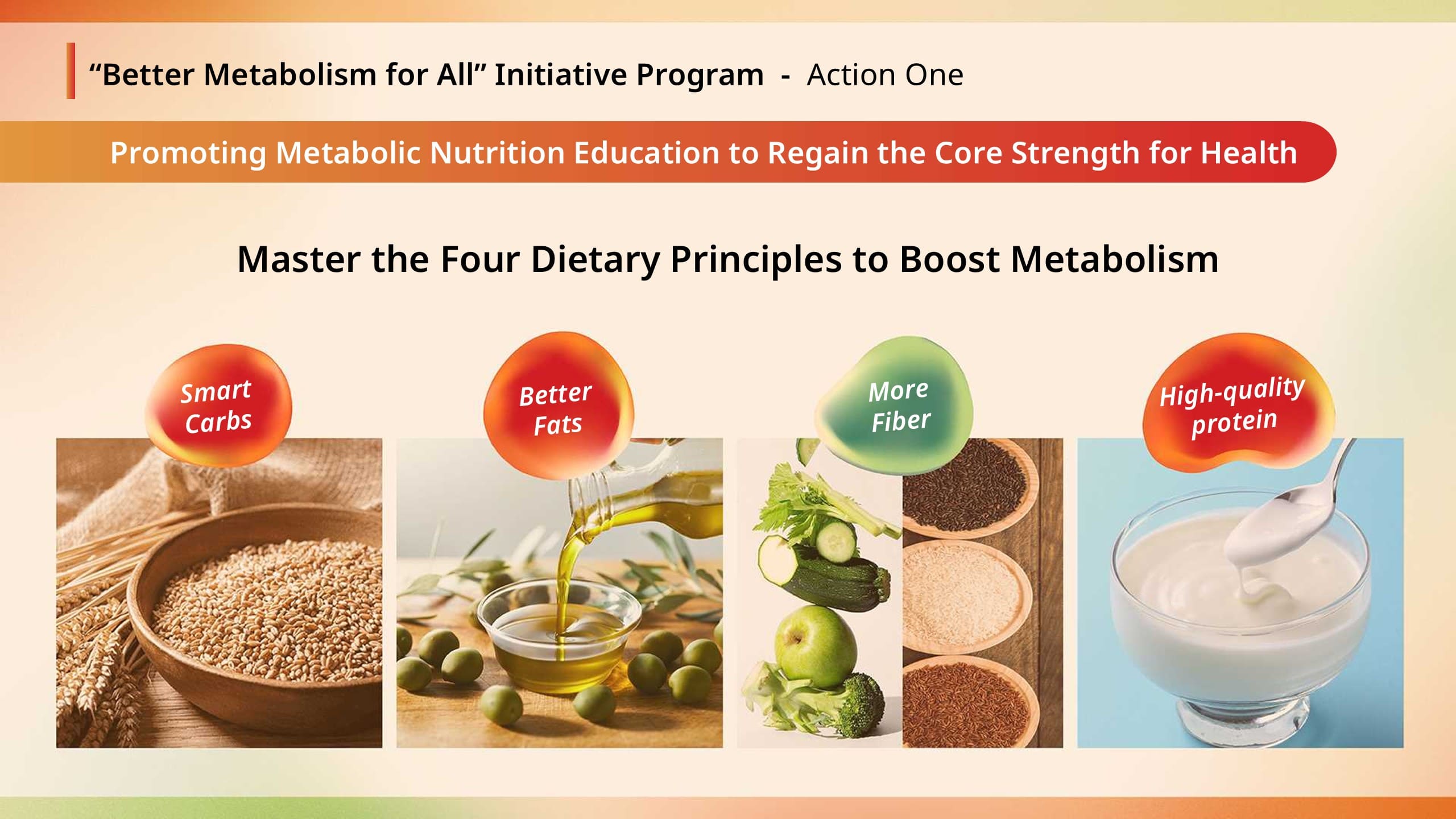
Ms. Angela Chen, Chief Sustainability Officer of Standard Foods Group, emphasized that the company is committed to being “the family’s nutrition and health partner,” and aims to help people rebuild the core foundations of health through ongoing nutrition education. The survey further indicated that when health check reports highlight metabolic risk factors, more than 30% of respondents are willing to adjust their diet or lifestyle habits in response. Building on this insight, Standard Foods is advancing its major three action plan to create a metabolism-friendly environment for office workers.“Better Metabolism for All” Initiative Program - Action One: Promoting Metabolic Nutrition Education to Regain the Core Strength for Health
- Metabolic Principle 1. Smart Carbs:
- Good whole grains and miscellaneous grains include oats, brown rice, corn, and sweet potato, which help increase the intake of dietary fiber, nutrients, and phytochemicals.
- Metabolic Principle 2. Better Fats:
- For oils, it is recommended to choose plant-based oils with unsaturated fatty acids, such as olive oil, canola oil, and high oleic sunflower oil, which can help lower "bad" cholesterol (LDL-C) and triglycerides.
- Metabolic Principle 3. More Fiber:
- Consuming sufficient dietary fiber can promote intestinal peristalsis and maintain digestive health. High-fiber foods like vegetables, fruits, mushrooms, algae, and whole grains/miscellaneous grains should be consumed more often.
- Metabolic Principle 4. High Quality Protein:
- Sources include legumes (e.g., edamame, soy milk, tofu), fish/seafood, eggs, meat (e.g., chicken breast, pork), and dairy products (e.g., milk, yogurt, cheese). These aid in muscle growth, tissue repair, and boosting metabolism.
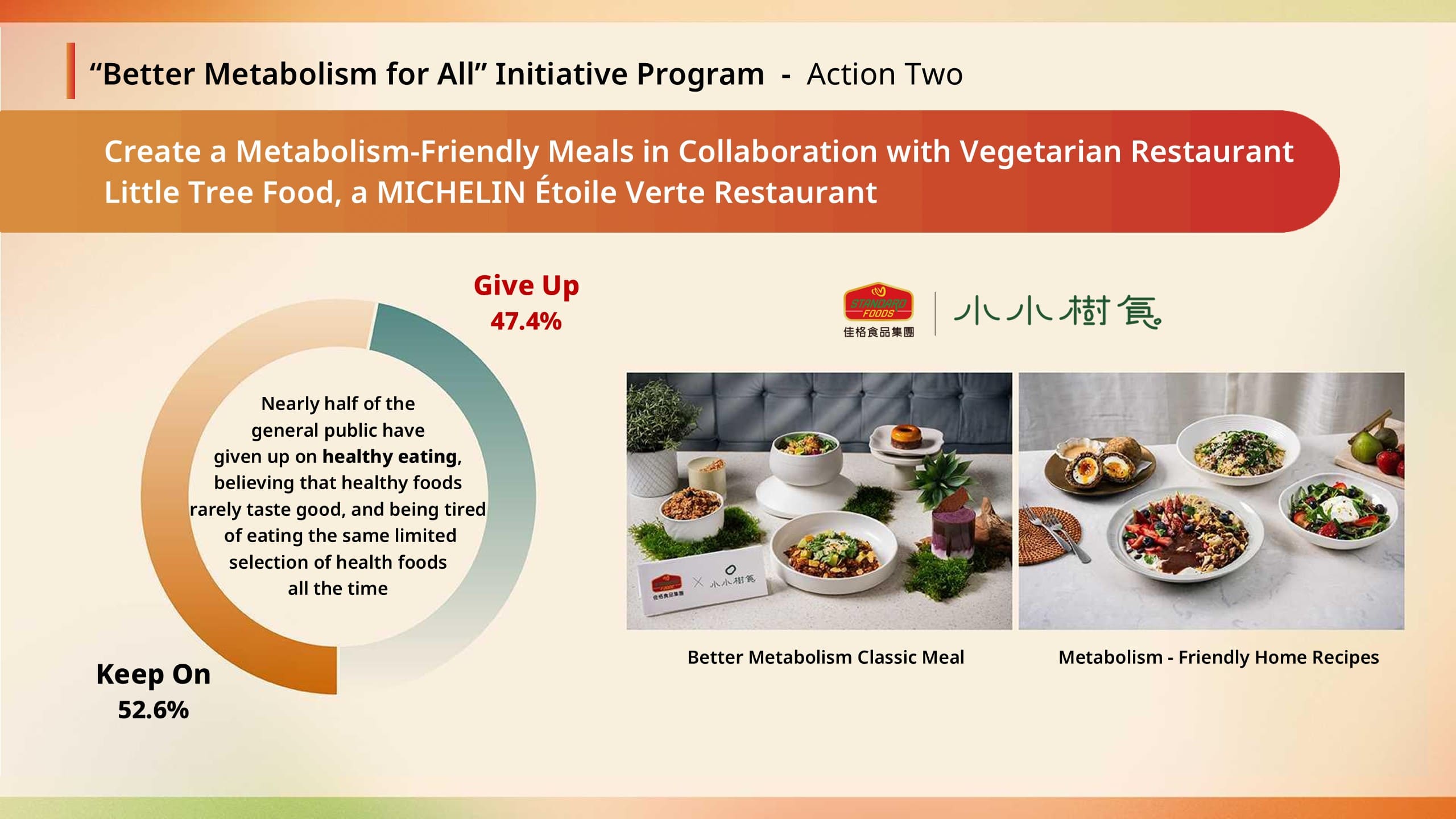
“Better Metabolism for All” Initiative Program - Action Two: Co-Creating Online and Offline "Metabolism-Friendly Meals" with a Michelin Green Star Vegetarian Restaurant
“Better Metabolism for All” Initiative Program - Action Three: Connecting the Care Network to Boost Metabolism in the Workplace and Community
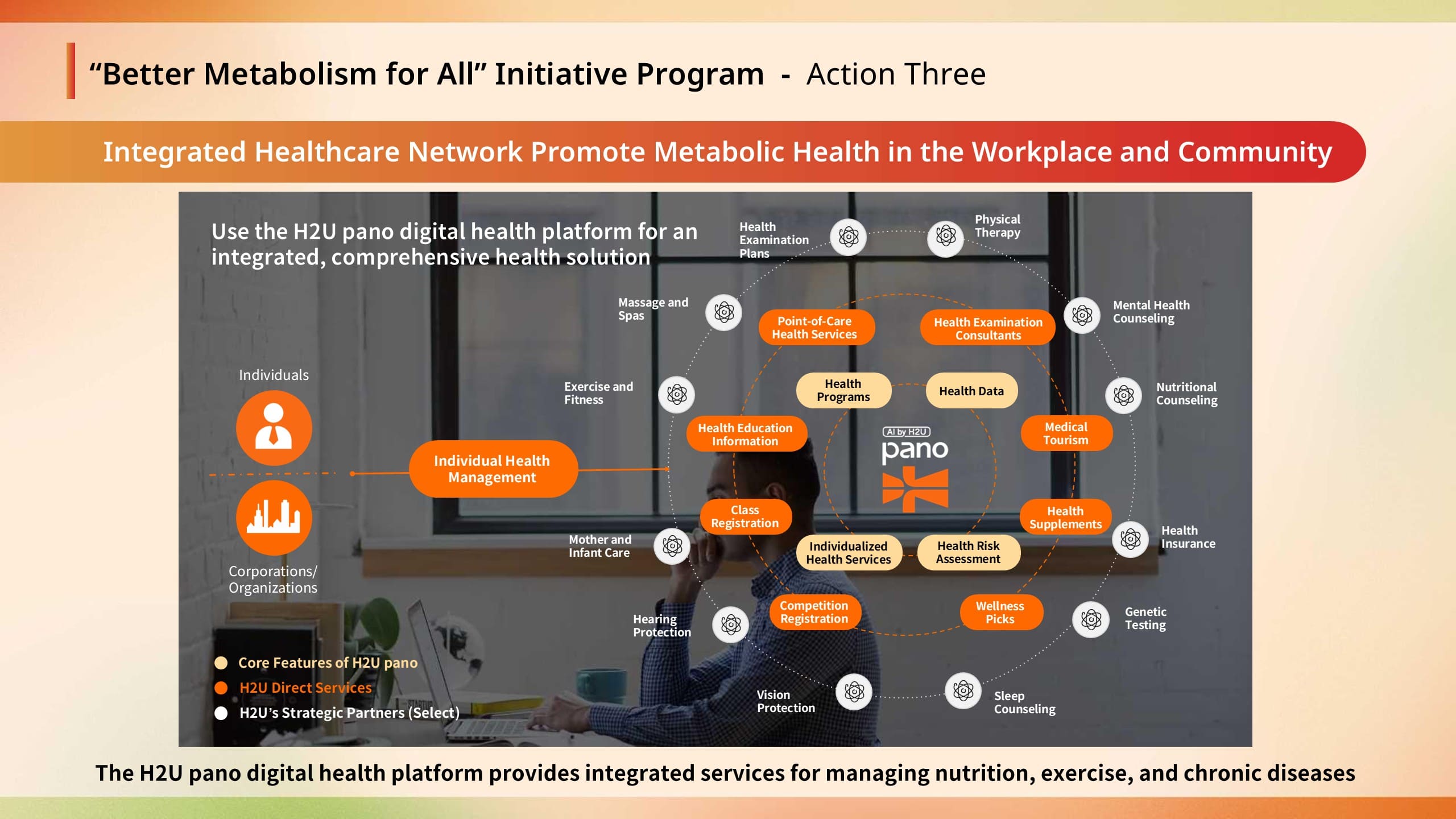
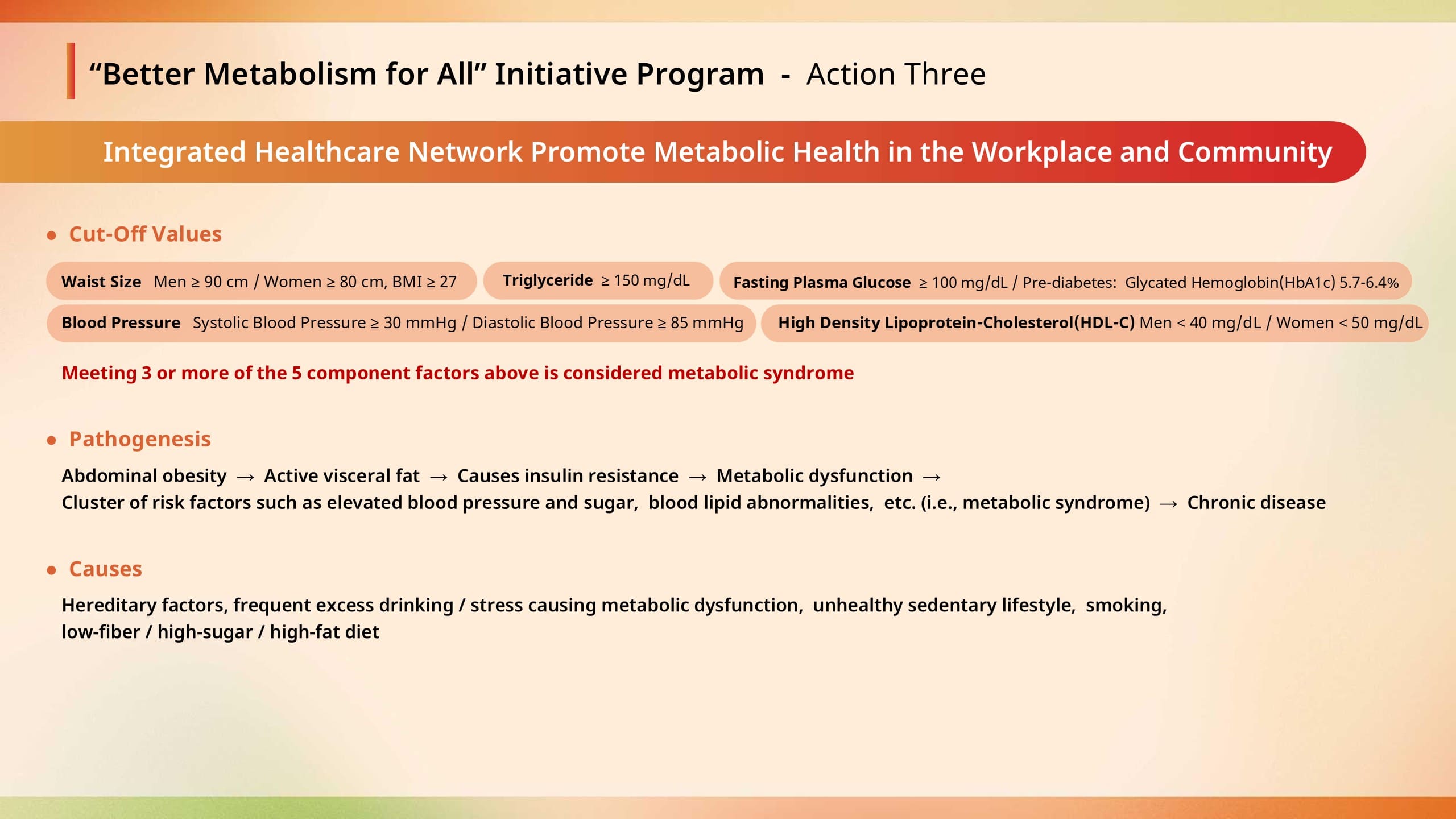
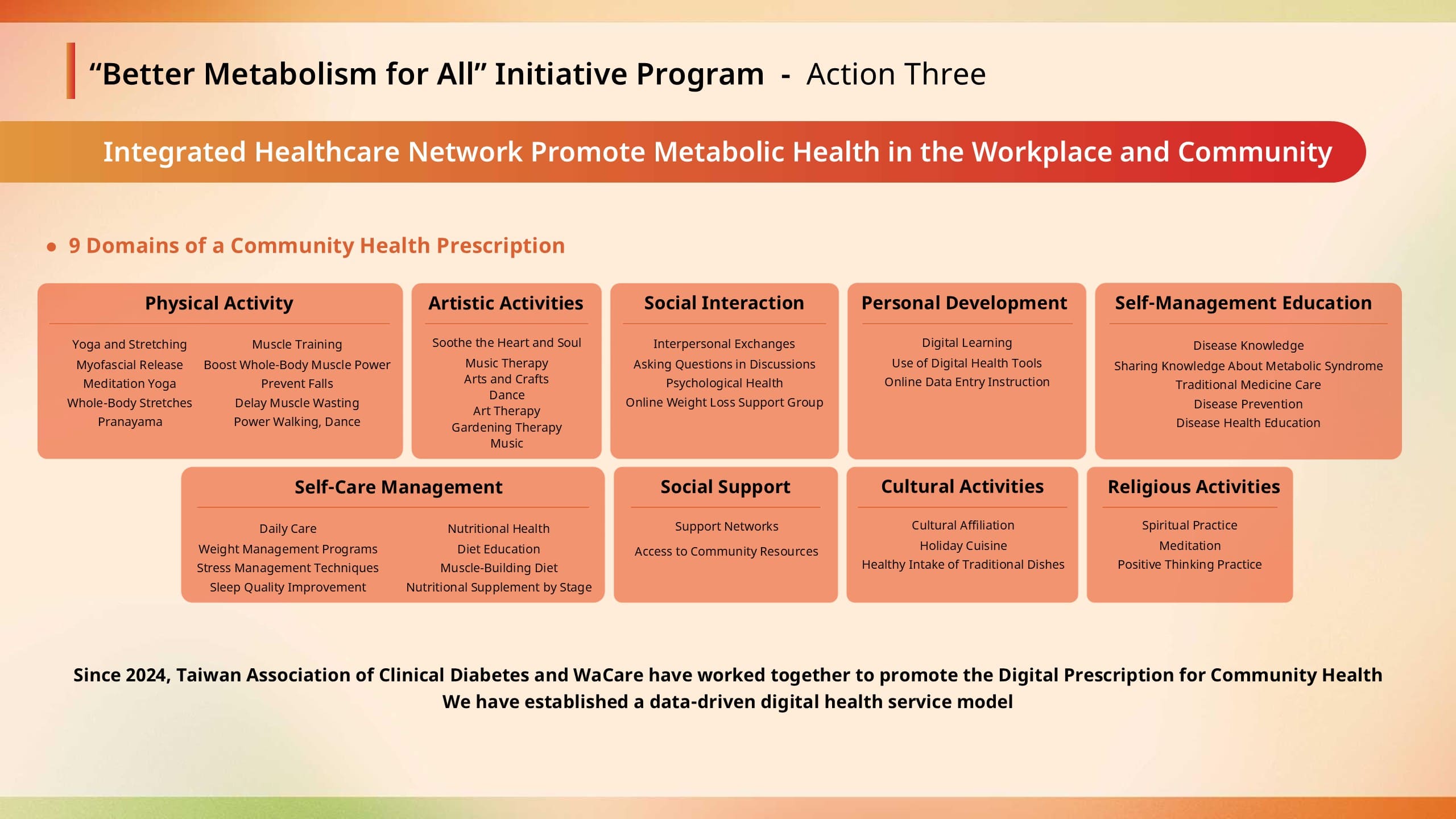
The Standard Foods Health & Nutrition Research Center's core vision is to connect and integrate cross-disciplinary expertise, along with industry, government, academic, medical, and research partners, to jointly promote precision nutrition and build an Asian health ecosystem, aiming for a healthy society where everyone benefits across all ages. In the future, the HNRC will continue to work with more strategic partners from industry, government, academia, and research to jointly advance health initiatives and nutrition education actions, driving a new generation of health sustainability through innovative actions.